Temperatures and falling and so are the leaves. But there is still plenty of time to get in the garden before the first …
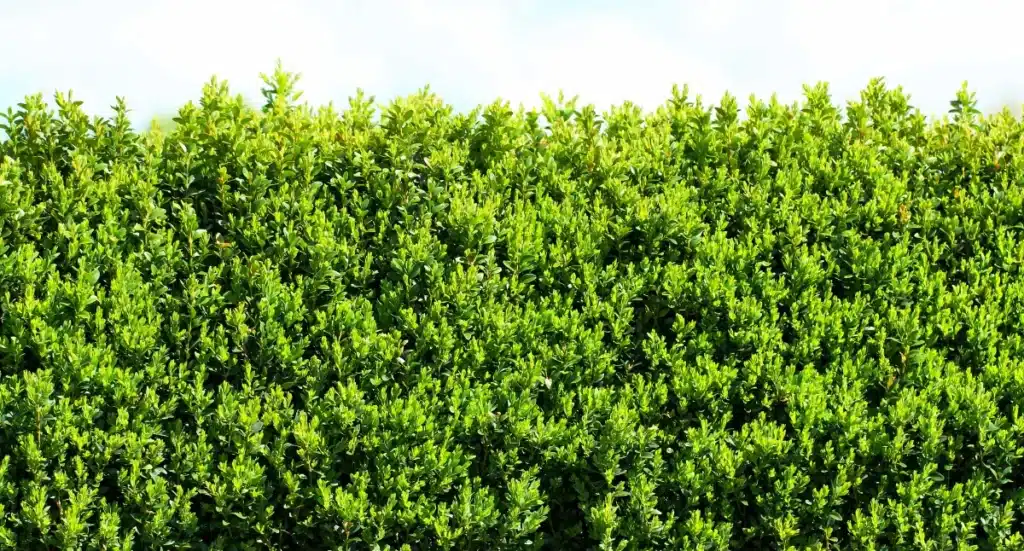
Boxwoods are a timeless favorite in the landscape, but they’re not without their challenges. In recent years, Michigan gardeners have seen several pests and diseases affect these popular evergreens, including a new invasive pest. Knowing what to look for and how to respond quickly is the key to keeping your boxwoods healthy and green.
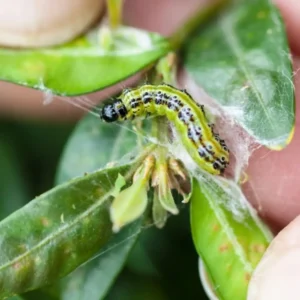
The Box Tree Moth caterpillar has recently arrived in Michigan and poses one of the most serious threats to boxwoods. These green caterpillars, marked with black stripes and white spots, feed aggressively on boxwood leaves, leaving shrubs looking dull or browning from a distance. On closer inspection, you may notice skeletonized leaves, fine silk webbing, and small green droppings around the base of the plant. Left untreated, caterpillars can completely defoliate a shrub in a matter of weeks. Early treatment is critical — products like BT (Bacillus thuringiensis) or a broad-spectrum insect control such as Eight, combined with Turbo Grow for better coverage, can stop the damage and allow plants to recover.
What to Look For:
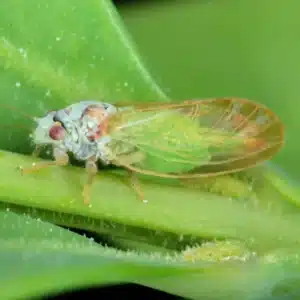
Boxwood psyllid is a common insect pest that targets new growth in spring. The damage often appears as cupped or curled leaves at the tips of branches, sometimes filled with whitish waxy filaments. While the distorted growth can be unsightly, psyllid damage is largely cosmetic and does not typically threaten the overall health of the plant. Light pruning is often enough to improve appearance, and insecticidal soap can help reduce populations if needed.
What to Look For:
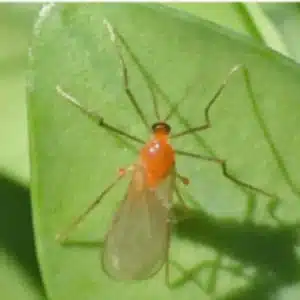
Boxwood leafminer is another insect that can weaken shrubs over time. The larvae tunnel inside the leaves, creating blistered or puffy spots that eventually turn yellow or brown. Heavy infestations can cause significant leaf drop and make the plant look thin or stressed. Unlike psyllid damage, leafminer activity can accumulate year after year if untreated. The best way to manage this pest is with a systemic insect control applied in spring or fall, along with pruning to remove damaged foliage and encourage healthy regrowth.
What to Look For:
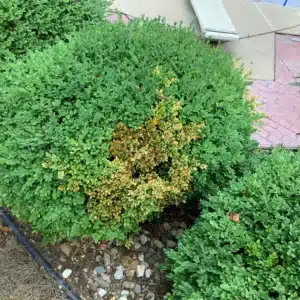
Boxwood blight is a fungal disease that can quickly devastate shrubs. It first shows up as circular brown or black spots on the leaves, often with dark borders. Infected stems may develop black streaks, and defoliation usually starts at the base of the plant and moves upward. Entire shrubs can decline rapidly if not addressed. Infected branches should be pruned and destroyed, and fungicides can help protect nearby healthy plants. Improving airflow around boxwoods is also essential to reduce the spread of this disease.
What to Look For:
Keeping boxwoods healthy starts with good cultural care. These shrubs thrive in well-drained soil and should not be planted where water tends to collect. Regular pruning helps improve air circulation, which is especially important in preventing fungal diseases. Fertilize in spring with a balanced, slow-release formula to encourage steady growth, and inspect your shrubs regularly so problems can be addressed before they become severe.
With proper care and quick action, boxwoods can recover from most issues and remain the green, dependable foundation of your garden for years to come. Visit your nearest English Gardens location, and talk with a Garden Pharmacist for more questions about your boxwoods.